

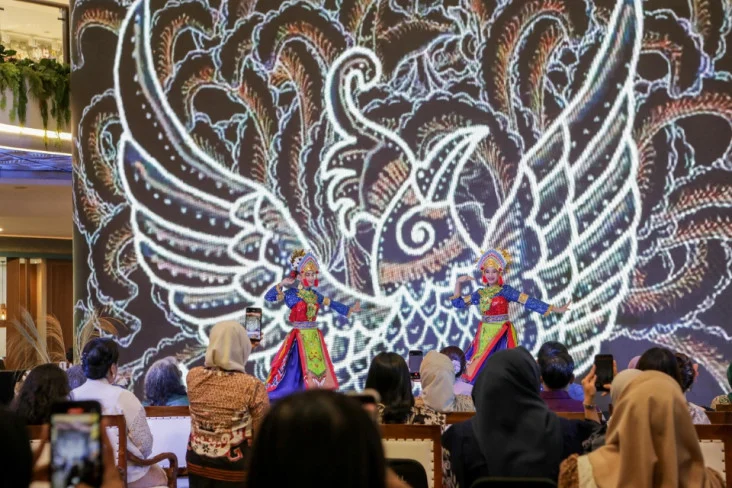
Sraya Nusa 2026 builds a new ecosystem for Indonesian women through connection, expression, recognition, entrepreneurship, and community collaboration with wider ASEAN relevance.
JAKARTA – Women’s empowerment in Southeast Asia is increasingly connected to broader conversations about entrepreneurship, leadership, digital transformation, creative industries and inclusive economic participation. In Indonesia, a new initiative called Sraya Nusa 2026 is seeking to contribute to that conversation by creating an ecosystem that goes beyond conventional recognition programs.
Introduced by Diadona.id, Sraya Nusa The Opening Chapter was held from September 11 to 13, 2026, at Lippo Mall Nusantara in Jakarta. Rather than positioning itself solely as an awards event, the initiative was designed as a meeting point for women, communities, businesses, creative industries and other stakeholders interested in the future of Indonesian women.

The initiative is built around three central experiences: Connection, Expression and Recognition. The framework reflects an approach in which empowerment is not limited to celebrating achievements, but also involves creating opportunities for people to meet, exchange ideas, express their perspectives and build relationships that can continue beyond a single event.
From Recognition to Community Building
The shift from a traditional awards format toward an ecosystem model is particularly relevant in a region where women’s participation increasingly intersects with digital platforms, entrepreneurship and community-based economic activity.
Through Sraya Sessions, the program addressed subjects ranging from leadership, beauty and wellness to finance and entrepreneurship, culture and identity, and future and sustainability. The sessions were delivered through different formats, including community sessions, brand-led discussions, community building activities, talks and workshops.
Such a structure creates opportunities for conversations that extend beyond professional achievements. It allows issues affecting women to be discussed through different perspectives, including business, personal development, culture, technology and sustainability.
For the wider ASEAN context, this model is relevant because the region’s economic and social landscape is increasingly shaped by interconnected communities and digital networks. Platforms that bring together women from different sectors can potentially become channels for knowledge exchange and collaboration across markets.
Recognising Diverse Forms of Leadership
One of Sraya Nusa’s central programs is the Apresiasi Perempuan Berpengaruh (APB) 2026, which recognises women from different professional and social backgrounds.
The awards are divided into categories including Leadership, Social Impact, Culture and Heritage, Economic Empowerment, and Influence & Inspiration. The structure highlights the diversity of ways women contribute to society, from corporate leadership and public service to cultural development, entrepreneurship and social impact.
Among the recipients in the Leadership category are Eva Dwiana, Mayor of Bandar Lampung; Lilis Mulyawati, President Director of Watsons Indonesia; and Selfie Dewiyanti, Commercial and Marketing Director of PT Pegadaian. Their inclusion illustrates how women’s leadership can emerge across government, retail and financial services.
The Economic Empowerment category also highlights the connection between women’s professional roles and economic development. Basaria Martha Juliana, Director of Finance & Strategy at Bank Jakarta, received recognition for Strategic Finance & Business Transformation, while Nurdini Prihastiti, owner of Dama Kara, was recognised for her contribution to economic development and entrepreneurship.
Connecting Business with Women’s Development
The participation of businesses and institutions adds another dimension to the initiative. The The Sraya Recognition program extends recognition beyond individuals to organisations contributing to women’s empowerment and positive social impact.
XLSMART, through its Sisternet initiative, received recognition in the Future Forward category for efforts to create opportunities for Indonesian women to develop their capabilities and prepare for the digital future.
L’Oréal Indonesia, meanwhile, received The Sraya Recognition in the Community Impact category for initiatives aimed at helping women develop through education, skills and opportunities to contribute again to society.
These examples illustrate the potential role of private-sector initiatives in complementing broader empowerment efforts. Businesses can contribute not only through employment and commercial activity, but also by providing skills development, digital access, education, networks and opportunities for participation.
A Regional Perspective
Indonesia’s scale within ASEAN gives initiatives focused on women a potentially broader regional relevance. Indonesia has one of the region’s largest consumer markets and a rapidly developing digital economy, while women continue to participate across entrepreneurship, professional services, creative industries, public institutions and community development.
In that environment, platforms such as Sraya Nusa can serve as a domestic space for ideas that may also resonate with women and communities elsewhere in Southeast Asia.
The emphasis on entrepreneurship and finance, for example, connects directly with issues faced by women-owned businesses across the region. Likewise, discussions around digital transformation and future sustainability are increasingly relevant as ASEAN economies navigate technological and demographic changes.
The regional relevance does not necessarily depend on turning Sraya Nusa into an international event. It can also emerge through the ideas, networks and examples generated within Indonesia and subsequently shared through regional media, businesses and communities.
Beyond a Three-Day Event
A key element of the Sraya Nusa concept is its intention to continue beyond the September opening chapter. Diadona.id has positioned the event as the beginning of a wider platform that can include community sessions, brand-led discussions, community building, talks and workshops throughout the year.
This longer-term approach could be important for determining the sustainability of the initiative. Recognition may create visibility, but sustained communities require continued interaction, useful programming and opportunities for participants to build meaningful relationships.
For women entrepreneurs, professionals, creators and community leaders, the value of such an ecosystem can potentially extend beyond the recognition itself. Access to knowledge, networks, collaboration and visibility can become important components of professional and social development.
Building Connections Across Southeast Asia
Sraya Nusa 2026 ultimately reflects a broader evolution in how women’s empowerment can be approached. Rather than placing recognition at the end of a journey, it positions recognition as one component within a larger ecosystem of connection and expression.
For Indonesia, the initiative provides another platform through which women’s achievements, ideas and contributions can be documented and connected with broader conversations about social and economic development.
For ASEAN, the underlying themes are familiar: inclusive growth, women’s participation in economic activity, digital transformation, entrepreneurship, cultural preservation and sustainable development.
As Southeast Asian economies become increasingly interconnected, initiatives that create space for women to exchange ideas and build networks can contribute to a broader regional conversation. Sraya Nusa’s next phase will show how far that ecosystem can develop, but its opening chapter has already introduced a model that places connection, expression and recognition at the centre of its approach to women’s empowerment.