
Six prestigious global science awards highlight excellence in research and offer valuable lessons for ASEAN’s efforts to strengthen innovation and scientific competitiveness.
Scientific achievement is increasingly becoming an important component of global competitiveness. Beyond universities and laboratories, research excellence now influences healthcare, technology, industrial development, economic resilience and national capacity to respond to complex challenges.
Against this backdrop, major international science awards serve as important indicators of scientific excellence. Among the most prominent are the Nobel Prize, Lasker Awards, Wolf Prize, Breakthrough Prize, Abel Prize and Blavatnik Awards. Each recognizes different areas of achievement, but together they illustrate the breadth of modern scientific progress.
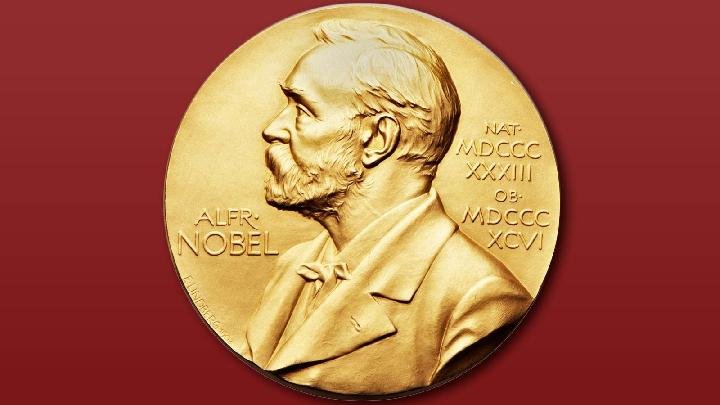
The Nobel Prize remains one of the world’s most recognized scientific honors. Established through Alfred Nobel’s will and first awarded in 1901, the prize originally covered physics, chemistry, physiology or medicine, literature and peace. The economic sciences prize was added later. Nobel’s original vision was to recognize achievements that provide the greatest benefit to humankind.
For ASEAN countries, the broader significance of the Nobel tradition lies in the relationship between scientific discovery and public benefit. Research excellence is most valuable when it contributes to solving real challenges, whether in health, climate resilience, food security, energy, technology or other areas critical to the region’s development.
Another major benchmark is the Lasker Awards, particularly in biomedical research. Established in 1945 by Albert and Mary Lasker, the program was designed to highlight fundamental biological discoveries and clinical advances that improve human health. Its categories include basic medical research and clinical medical research, among others.
The 2026 Lasker Awards provide a contemporary illustration of how scientific breakthroughs can move from fundamental discovery toward practical impact. Emmanuel Mignot and Masashi Yanagisawa were recognized for identifying orexin, a brain peptide involved in maintaining wakefulness, and for establishing its connection to narcolepsy. Other 2026 recipients were recognized for a bispecific antibody approach to hemophilia A and for advocacy that accelerated Parkinson’s disease research.
This research-to-impact pathway is particularly relevant for Southeast Asia. ASEAN economies are dealing with rapidly changing demographic patterns, emerging health demands, environmental pressures and technological transformation. Stronger connections between universities, medical institutions, research centers and industry could help turn scientific knowledge into practical solutions for regional needs.
The Wolf Prize represents another important dimension of global scientific recognition, with awards covering disciplines including physics, chemistry, medicine, mathematics and agriculture. Its multidisciplinary character reflects the increasingly interconnected nature of scientific problems.
The Breakthrough Prize, meanwhile, has become closely associated with major achievements in life sciences, fundamental physics and mathematics. Its emergence also reflects the changing relationship between science, philanthropy and public recognition. Large-scale scientific awards can raise the visibility of research and encourage wider public engagement with scientific discovery.
For ASEAN, this is significant because visibility matters. A strong research ecosystem is not built only through funding. Researchers also need international networks, institutional credibility, opportunities for collaboration and mechanisms that allow outstanding work to gain global attention.
Mathematics provides another example through the Abel Prize. Established by the Norwegian Parliament in 2002, the prize recognizes outstanding achievements in mathematics and is awarded annually by the Norwegian Academy of Science and Letters. Its official mission also includes strengthening the status of mathematics and encouraging interest among children and young people.
That emphasis on young people is particularly relevant to ASEAN. The region has a large and increasingly connected younger population. Building interest in mathematics, science, engineering and technology at an early age can become an important foundation for future research capacity.
The Blavatnik Awards similarly highlight the importance of developing younger scientific talent. Recognition of early-career researchers can help strengthen the next generation of scientists and prevent research ecosystems from depending too heavily on established academic leaders.
Taken together, the six awards offer several lessons for Southeast Asia. First, research excellence requires sustained investment. Second, fundamental science remains important even when its commercial or social applications are not immediately visible. Third, collaboration across disciplines and national borders is increasingly essential.
ASEAN already has opportunities to develop such collaboration. Universities, research institutions, technology companies and governments across the region can cooperate on areas where scientific capacity and regional needs intersect. Health technology, climate science, agriculture, food security, renewable energy, artificial intelligence and advanced manufacturing are among the areas where cross-border research could produce significant benefits.
International recognition should therefore not be viewed solely as an individual achievement. A globally recognized scientist can also become an ambassador for the research capacity of an institution, country or region. Their success can attract partnerships, strengthen institutional reputation and inspire younger researchers.
The path toward major international recognition, however, is rarely short. The history behind leading scientific awards demonstrates that breakthroughs are generally the result of sustained research, experimentation, collaboration and intellectual persistence.
For ASEAN, the challenge is to create an environment where such persistence can flourish. That means supporting researchers not only when a breakthrough has already occurred, but throughout the years of experimentation that precede it.
Ultimately, the six prestigious awards highlighted by Tempo offer more than a list of global honors. They provide a window into how the international scientific community defines excellence—and how regions such as ASEAN can strengthen their own position within the global knowledge economy.
As Southeast Asia moves toward a more innovation-driven future, scientific achievement will increasingly become part of the region’s strategic competitiveness. The next generation of globally recognized discoveries may emerge from ASEAN laboratories, universities and research centers, provided that talent, funding, collaboration and long-term vision develop together.