

Susiana, Principal of SMKN 1 Kendit, Receives Indonesia Achievement Award 2026 for Educational Leadership
Susiana, S.P., M.M., Principal of SMKN 1 Kendit in East Java, receives the Indonesia Achievement Award 2026, highlighting vocational education, industry partnerships, innovation, and workforce development in ASEAN.
Recognising Educational Leadership in Indonesia
JAKARTA, INDONESIA — As Southeast Asian economies continue to adapt to technological developments, industrial transformation, and changing employment requirements, vocational education has become an increasingly important part of workforce development.
Across the ASEAN region, technical and vocational education and training institutions are expected to equip students with practical competencies while helping them develop adaptability, professional discipline, and lifelong learning skills.
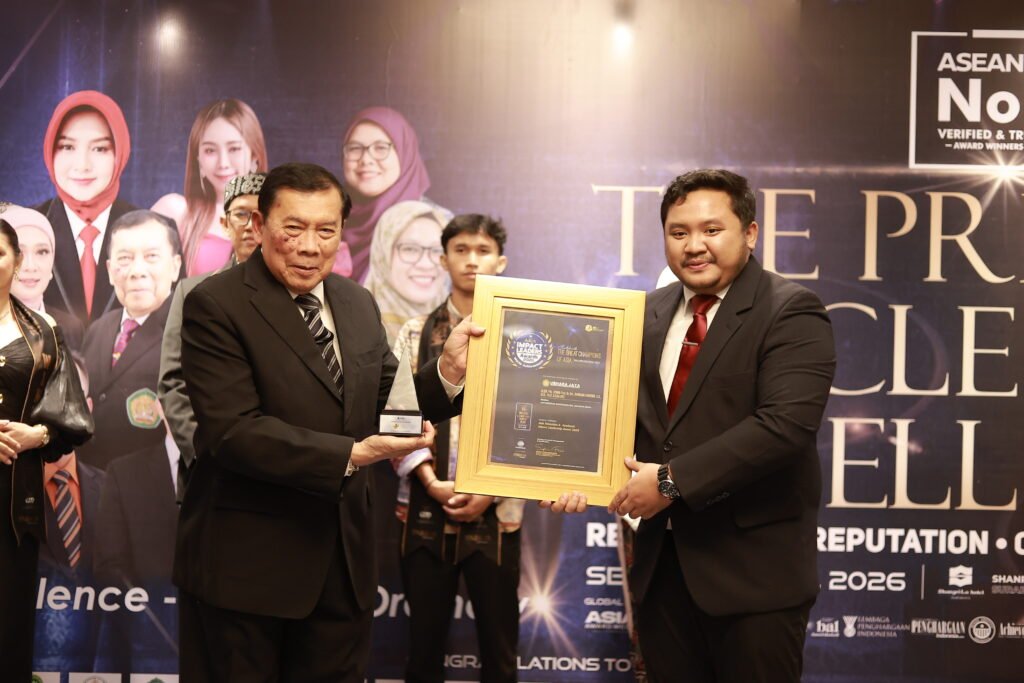
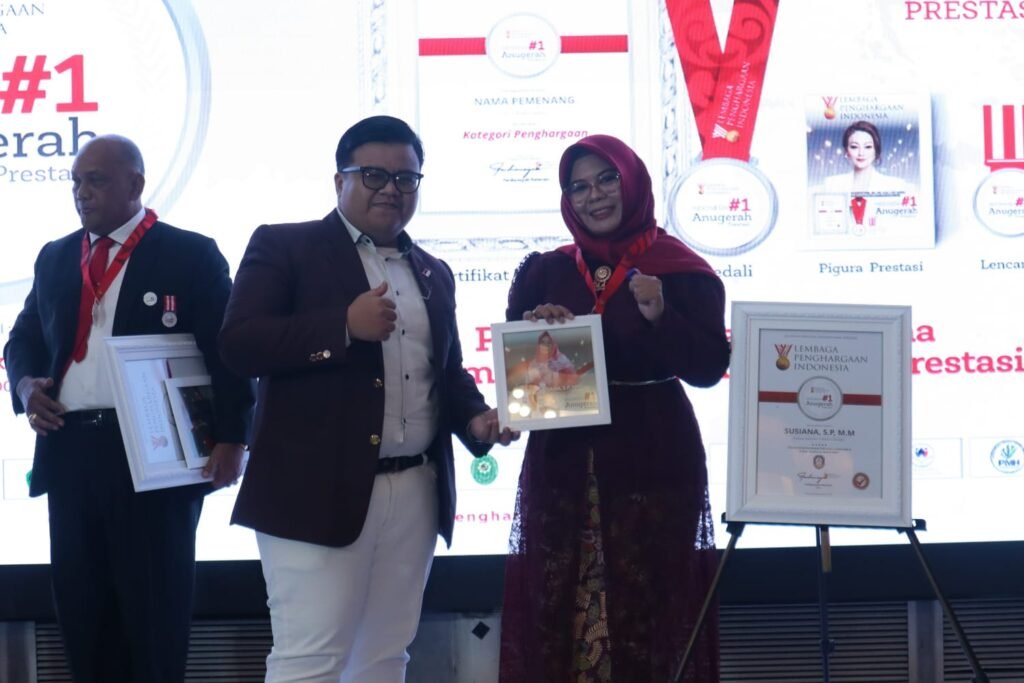
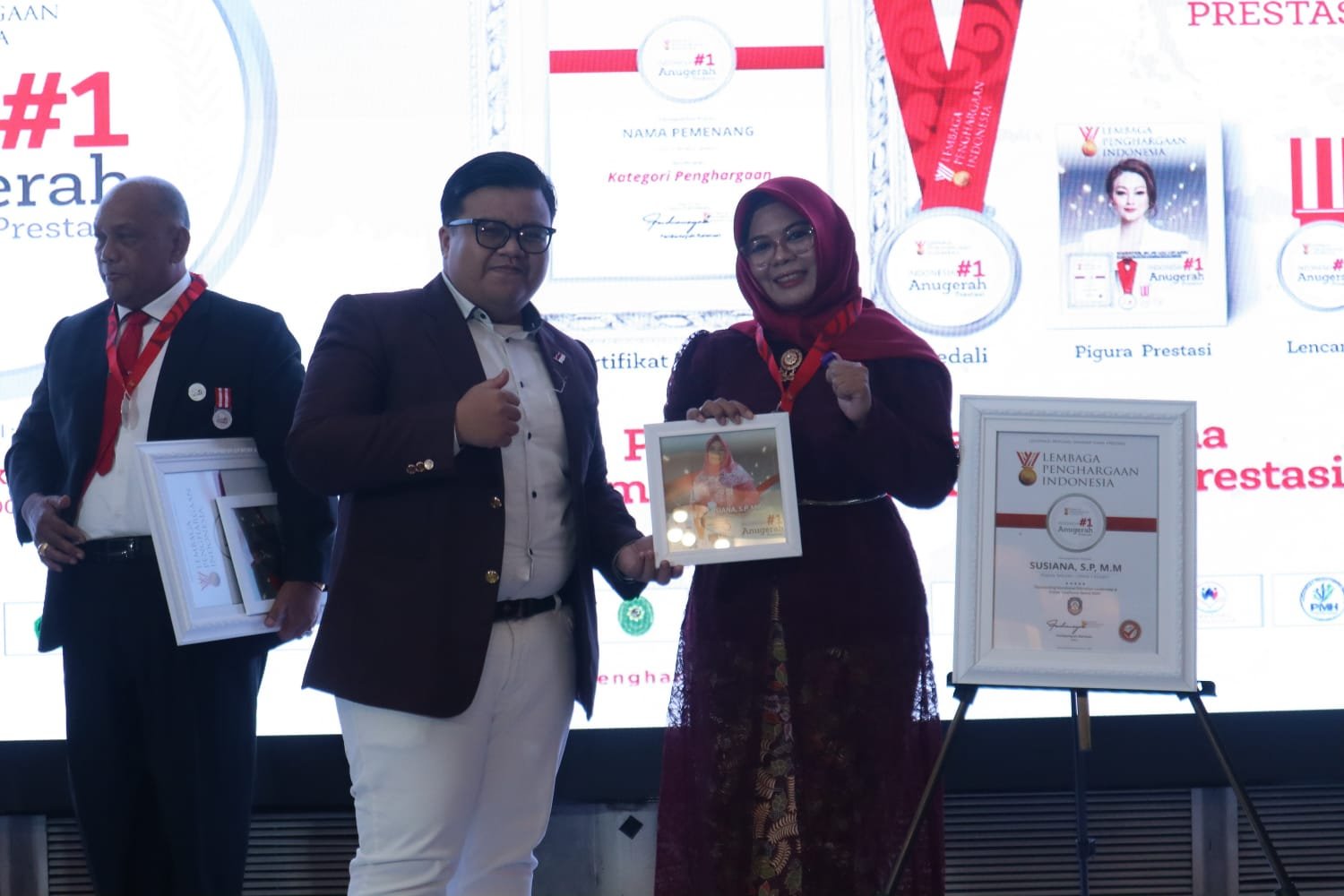
Within this broader educational landscape, Susiana, S.P., M.M., Principal of SMK Negeri 1 Kendit, a public vocational high school in Situbondo Regency, East Java, Indonesia, has received the Indonesia Achievement Award 2026, known locally as Anugerah Prestasi Indonesia 2026.
The recognition was presented through a programme organised by Lembaga Penghargaan Indonesia (LPI) on Saturday, 24 October 2026, at the Mercure Simatupang Hotel in Jakarta.
The event was led by Ferdiansyah Rahman, Chairman of the Organising Committee, and brought attention to individuals and institutions representing various professional sectors.
For Susiana, the recognition marks another moment in her professional journey as an educational leader responsible for developing vocational learning opportunities and strengthening the institutional capacity of SMKN 1 Kendit.
Building Skills for a Changing Regional Economy
Vocational education plays an important role in preparing young people for employment, further education, and entrepreneurship.
Unlike purely academic programmes, vocational schools place particular emphasis on applied knowledge and practical competencies relevant to specific occupational fields.
However, the demands placed on vocational institutions have become increasingly complex.
Employers require not only technical capabilities but also communication skills, teamwork, adaptability, problem-solving abilities, and professional responsibility.
These competencies are relevant throughout Southeast Asia, where economies are responding to digitalisation, industrial development, and changes in the organisation of work.
SMKN 1 Kendit promotes an educational direction centred on character, skills, and employment readiness.
Its guiding principle, “Berkarakter, Terampil, dan Siap Kerja,” reflects the importance of combining personal development with practical preparation for professional life.
For school leaders, translating such principles into meaningful educational experiences requires effective institutional management, teacher development, and collaboration with external organisations.
Strengthening Institutional Partnerships
One of the documented initiatives involving SMKN 1 Kendit is its cooperation with the Situbondo District Court.
On 23 September 2026, Susiana represented the school in signing a cooperation agreement with the Situbondo District Court Class IB.
The agreement was also signed by the court’s chairman, Dr. Ngurah Suradatta Dharmaputra, S.H., M.H.
The partnership established a framework for students to undertake workplace training through Indonesia’s Praktik Kerja Lapangan programme, commonly referred to as PKL.
Such programmes allow vocational students to experience professional environments and observe how workplace responsibilities are carried out.
In the context of public institutions, students may gain exposure to administrative procedures, organisational discipline, and professional service standards, depending on their assigned activities and fields of study.
The partnership demonstrates that vocational learning opportunities can extend beyond manufacturing companies and conventional industrial settings.
Public institutions can also contribute to students’ understanding of professional environments and organisational responsibilities.
For ASEAN education systems, cooperation between schools and external institutions represents a relevant approach to strengthening practical learning.
Nevertheless, the effectiveness of workplace training should be assessed through student learning outcomes, supervision quality, and the relevance of assigned activities.
Industry Engagement and Technical Skills Development
SMKN 1 Kendit has also documented activities involving collaboration with the automotive industry.
In December 2024, the school published information about preparations for a student talent development programme involving Yamaha.
The initiative focused on students studying motorcycle engineering and aimed to support their preparation for technical skills competitions at different levels.
Industry-supported training can provide students with opportunities to become familiar with practical standards, technical processes, and professional expectations.
Such experiences may complement classroom instruction and school-based practical training.
For vocational education institutions, partnerships with industry are particularly relevant because technologies and occupational requirements continue to evolve.
However, collaboration should not be evaluated solely by the presence of a corporate partner.
Its educational value depends on the quality of training, student participation, and measurable improvements in competencies.
Encouraging Innovation Among Teachers and Staff
Educational transformation also requires continuous professional development among teachers and school personnel.
SMKN 1 Kendit has introduced an initiative known as ON POINT — One Person One Innovation.
The programme encourages teachers and educational staff to contribute ideas and improvements within their respective areas of responsibility.
From an institutional management perspective, such an approach can help promote participation in organisational improvement.
Innovation in education does not necessarily involve advanced technology or major structural reforms.
It may include improvements in teaching methods, administrative procedures, learning materials, or student support services.
In January 2025, SMKN 1 Kendit also organised activities related to teacher professional development, the use of Indonesia’s Ruang GTK platform, and the alignment of staff work plans with school priorities.
These activities illustrate the importance of developing the capabilities of educators alongside those of students.
Across ASEAN, teacher development remains a central component of efforts to improve the quality and relevance of vocational education.
Educational Leadership Beyond Administrative Responsibilities
The role of a vocational school principal extends beyond managing daily school operations.
School leaders are responsible for coordinating teachers, maintaining educational standards, supporting student development, and building relationships with external stakeholders.
In vocational education, these responsibilities also include understanding the relationship between curriculum delivery and employment requirements.
As Principal of SMKN 1 Kendit, Susiana occupies a leadership position that connects these different responsibilities.
The school’s documented partnerships and professional development initiatives provide examples of activities relevant to vocational education management.
Such activities require cooperation among school administrators, teachers, students, and external partners.
Effective leadership therefore depends not only on individual decisions but also on the ability to develop an organisation capable of continuous improvement.
Previous Recognition for Professional Dedication
Before receiving the Indonesia Achievement Award 2026, Susiana had been recognised for her dedication as a school principal.
In January 2025, local media reported that she received a dedicated school principal award from the East Java Provincial Education Office’s Bondowoso–Situbondo regional branch.
The recognition was associated with educational reflection activities for 2024 and programme planning for 2025.
At the time, Susiana described the recognition as a source of motivation for teachers and educational personnel at SMKN 1 Kendit.
The earlier award provides additional context to her professional journey in school leadership.
The two recognitions, however, came from different organisations and should be understood within their respective institutional contexts.
Women in Educational Leadership
Susiana’s professional role also reflects the contribution of women to educational leadership in Indonesia.
School management requires organisational skills, professional judgement, communication, and the ability to coordinate diverse stakeholders.
These responsibilities are particularly significant in vocational institutions, where school leaders must balance academic development with practical training requirements.
Women’s participation in educational leadership contributes to the diversity of professional experiences represented in institutional decision-making.
Susiana’s position as a vocational school principal places her within this broader landscape of educational leadership.
Her professional work is best understood through the responsibilities she carries and the educational initiatives documented at the school, rather than through gender alone.
Vocational Education and ASEAN Workforce Priorities
The ASEAN region faces a shared challenge: preparing young people with competencies that remain relevant as industries and labour markets evolve.
Technical skills continue to be important, but employers increasingly operate in environments shaped by digital systems, changing technologies, and cross-border economic relationships.
Vocational education institutions therefore need to strengthen cooperation with industry, improve teacher capabilities, and provide meaningful practical learning opportunities.
Initiatives such as workplace training and technical talent development are relevant to these objectives.
However, the existence of such programmes does not automatically demonstrate international competitiveness or successful employment outcomes.
Reliable assessment requires evidence of student achievement, graduate progression, and the effectiveness of institutional partnerships.
For SMKN 1 Kendit, continued evaluation of its educational initiatives will be important in determining their long-term impact.
Recognition as a Platform for Continued Improvement
The Indonesia Achievement Award 2026 provides professional recognition for Susiana’s role as Principal of SMKN 1 Kendit.
Organised by Lembaga Penghargaan Indonesia, the programme highlights individuals and institutions across professional sectors.
The award should be distinguished from government accreditation, official school performance assessments, or internationally recognised educational certification.
Nevertheless, professional recognition can create opportunities to draw attention to educational leadership and the importance of vocational institutions.
For Susiana and SMKN 1 Kendit, the continuing priority remains the development of relevant learning opportunities and the improvement of educational quality.
Connecting Local Education with Regional Development
The experience of SMKN 1 Kendit offers a perspective on how local vocational schools can participate in broader workforce development efforts.
Through institutional partnerships, industry-related training, and professional development initiatives, schools can create opportunities for students to strengthen their practical competencies.
These activities are relevant not only to local employment needs but also to the wider conversation about vocational education across Southeast Asia.
For Susiana, receiving the Indonesia Achievement Award 2026 represents a moment of professional appreciation.
The longer-term significance of educational leadership, however, will continue to depend on the opportunities created for students and the quality of learning provided.
As ASEAN economies look toward a more skilled and adaptable workforce, the contribution of local vocational schools remains essential to preparing young people for the demands of tomorrow.
From Situbondo in East Java to a national recognition event in Jakarta, Susiana’s professional journey illustrates the continuing importance of school leadership, institutional cooperation, and practical education in supporting the development of future generations.