Indonesia’s 2026 Regional Sulawesi awards recognize local governments for public services, housing, education, healthcare, and environmental management.
MAKASSAR, Indonesia — Indonesia has recognized a number of provincial, municipal and regency governments for their performance in public services and development through the 2026 High-Performing Local Government Appreciation Awards for the Sulawesi region.
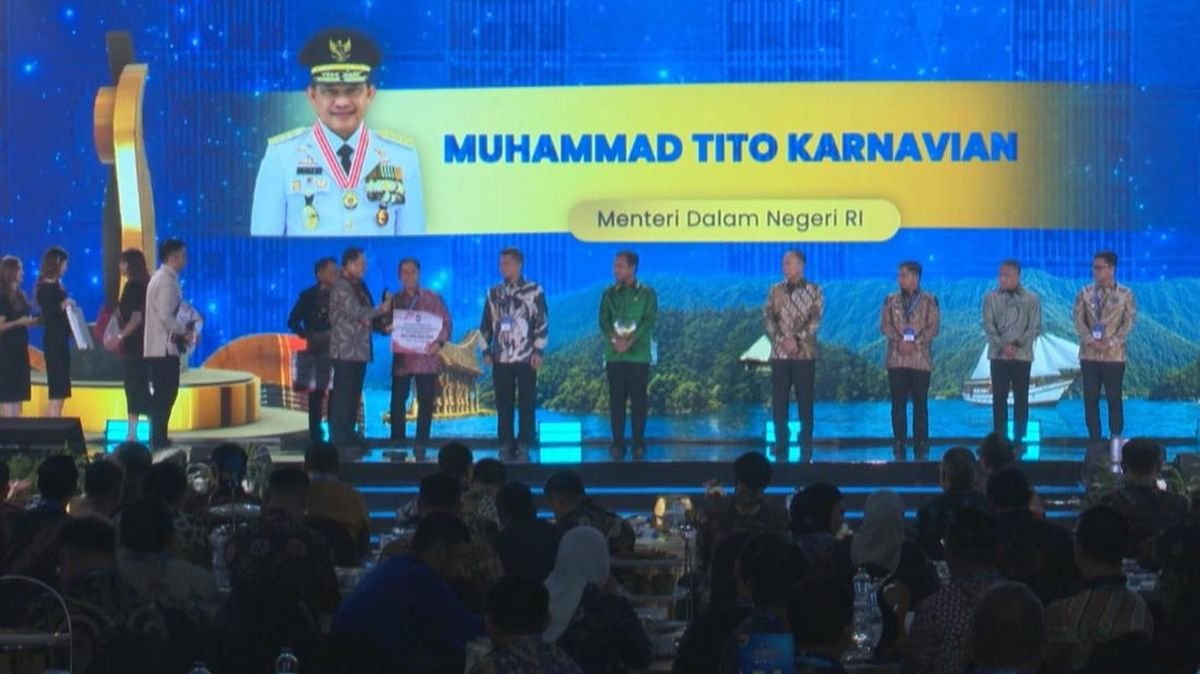
The second batch of the 2026 regional awards was held in Makassar on September 18, bringing together local governments from across Sulawesi. The initiative is organized by Indonesia’s Ministry of Home Affairs as part of an effort to encourage stronger local governance, innovation and improvements in public services.
Indonesian Minister of Home Affairs Muhammad Tito Karnavian congratulated the local governments receiving the awards while encouraging them to maintain their performance. The minister also emphasized that the recognition should motivate other regions to improve their own governance and service delivery.
The 2026 programme is structured around six regional clusters, including Sumatra, Java-Bali, Kalimantan, Maluku-Nusa Tenggara, Sulawesi and Papua. The regional approach takes differences in local fiscal capacity into account, allowing local governments to be assessed within a more comparable framework.
For the Sulawesi regional programme, four areas were highlighted: waste management and environmentally friendly communities; access to and quality of healthcare services; access to education services; and implementation of the national Three Million Homes Programme. Each category includes recognition at provincial, municipal and regency levels.
Public Services at the Center of Local Performance
The selection of these four categories reflects several policy areas that are closely connected to citizens’ everyday lives.
In healthcare, Gorontalo was recognized as the leading provincial government, while Kendari received the top municipal award and Barru ranked first among regencies. The results place access and quality of healthcare among the key indicators used to assess local government performance.
Education was another major area of recognition. North Sulawesi received the top provincial award, Palopo ranked first among cities and Enrekang ranked first among regencies. Makassar and Parepare were also recognized among the leading municipalities in the category.
Housing and environmental management also formed a significant part of the programme. South Sulawesi ranked first among provinces for implementation of the Three Million Homes Programme, while Makassar and Morowali took the leading positions among cities and regencies respectively.
The environmental category produced another set of regional leaders. South Sulawesi ranked first among provinces for waste management and environmentally friendly development, while Parepare and East Luwu ranked first among cities and regencies.
Linking Recognition with Fiscal Support
An important feature of the programme is its connection to fiscal incentives. The Indonesian government has positioned the awards not simply as ceremonial recognition but also as an instrument for encouraging local governments to improve performance.
South Sulawesi, for example, received two first-place awards in the regional programme, covering the Three Million Homes Programme and waste management and environmental development. The provincial government reported receiving Rp6 billion in fiscal incentives, support for 300 house renovations and Rp2 billion for waste and environmental management.
At the municipal level, Makassar, Manado and Bitung were recognized as first, second and third respectively for implementation of the Three Million Homes Programme. The three cities received fiscal incentives of Rp6 billion, Rp4.5 billion and Rp3 billion respectively.
The model illustrates an approach in which public-sector recognition is linked to resources that can subsequently be directed toward development programmes. For local governments, the challenge is therefore not only to achieve strong performance indicators, but also to translate additional fiscal support into measurable public benefits.
A Regional Governance Perspective
The experience is also relevant to the broader Southeast Asian context. Across ASEAN, national governments frequently depend on provincial, municipal and local administrations to translate national development priorities into services delivered directly to communities.
Indonesia’s regional award mechanism highlights the importance of strengthening that connection. Rather than evaluating local government performance solely through economic growth, the Sulawesi programme places attention on practical areas such as healthcare, education, housing and environmental management.
The programme also creates an avenue for identifying local practices that could potentially be studied or adapted by other governments. The Ministry of Home Affairs has described the awards as more than an endpoint, with successful programmes intended to provide examples and motivation for other local governments.
For ASEAN observers, this provides a useful example of how national policy priorities can be connected with subnational performance mechanisms. It also underlines the importance of ensuring that recognition systems are accompanied by sustained implementation, transparent evaluation and measurable outcomes.
The 2026 Regional Sulawesi awards therefore represent more than a list of local government achievements. They form part of Indonesia’s broader effort to strengthen decentralized governance while aligning local performance with national development priorities.
As Indonesia continues to pursue more inclusive and sustainable development, the effectiveness of such initiatives will ultimately depend on what happens after the awards ceremony: whether recognized practices are sustained, whether fiscal incentives reach communities, and whether improvements in public services continue beyond the assessment period.