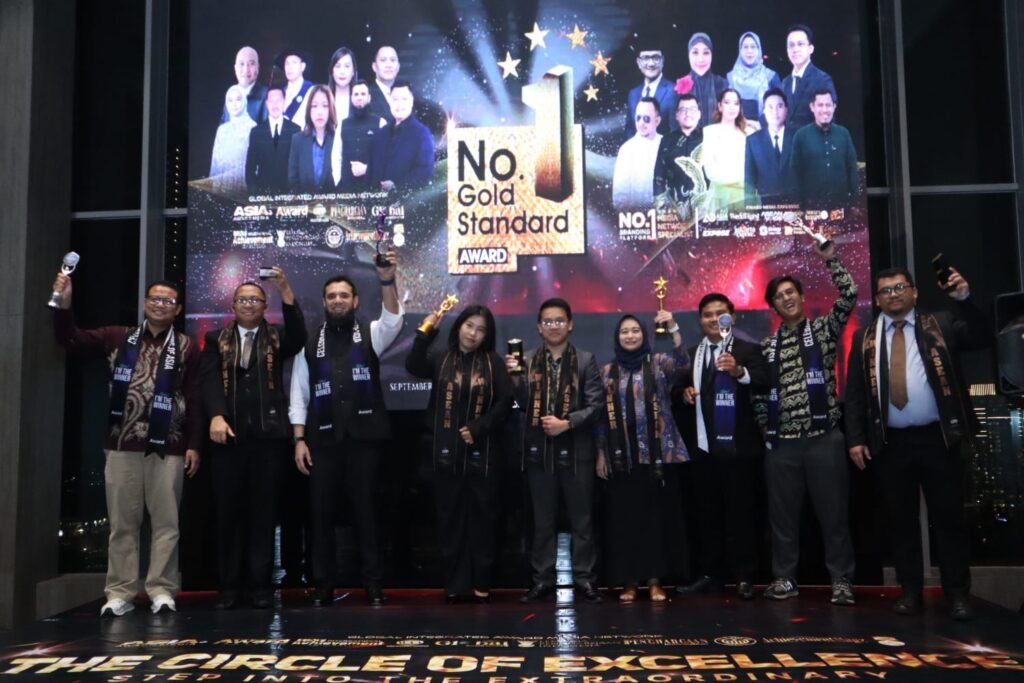



An elementary school student from Boyolali, Indonesia, receives recognition in a NASA-related cyber security program, demonstrating the rising potential of ASEAN’s young digital talent and STEM education.
As Southeast Asia accelerates its digital transformation, the region’s future competitiveness increasingly depends on how effectively it nurtures young talent in science and technology. A recent achievement by an elementary school student from Boyolali, Central Java, Indonesia, who received recognition in a NASA-related cyber security program, offers a compelling example of how early investment in digital education can produce internationally recognized talent.
The achievement has attracted public attention in Indonesia because it demonstrates that advanced technological competencies are no longer limited to university students or industry professionals. With the right educational environment and strong mentorship, even children at the primary school level are capable of developing analytical thinking, problem-solving skills, and an understanding of cyber security concepts that are becoming increasingly important in today’s digital economy.

Across ASEAN, governments have identified digital skills as one of the region’s strategic priorities. Initiatives promoting STEM (Science, Technology, Engineering, and Mathematics) education, digital literacy, coding, and artificial intelligence are being integrated into national education systems to prepare future generations for rapidly evolving labor markets. Indonesia’s latest success reflects the broader momentum taking place across Southeast Asia.
Cyber security has become a critical area of expertise as governments, businesses, and public institutions continue expanding digital services. Rising cyber threats have created significant demand for professionals capable of protecting digital infrastructure, sensitive information, and online ecosystems. Encouraging interest in cyber security from an early age therefore represents a valuable long-term investment for every ASEAN member state.
The recognition earned by the Boyolali student also illustrates the importance of collaboration between schools, families, educators, and technology communities. Such achievements rarely result from individual effort alone; they are typically supported by learning environments that encourage curiosity, experimentation, and continuous improvement. This collaborative approach is increasingly viewed as a best practice for nurturing future innovators throughout the region.
From a regional perspective, stories like this contribute positively to ASEAN’s international image. They demonstrate that Southeast Asia is not only emerging as a digital economy but is also developing the human capital necessary to sustain long-term technological growth. Young achievers who gain international recognition help strengthen confidence in the region’s education systems and innovation capacity.
Furthermore, the achievement aligns with ASEAN’s broader vision of building an inclusive and digitally connected community. As regional economies become more integrated, cultivating highly skilled digital talent will be essential for enhancing competitiveness, attracting investment, and supporting sustainable economic development.
Looking ahead, Indonesia’s success serves as an encouraging reminder that global opportunities are increasingly accessible to young learners regardless of age or location. By continuing to invest in STEM education, cyber security awareness, and digital innovation, ASEAN countries can build a stronger pipeline of future technology leaders capable of competing on the global stage.
Sources
Lampung Post – Siswa SD Boyolali Raih Penghargaan NASA di Bidang Cyber Security
https://lampost.co/teknologi/siswa-sd-boyolali-penghargaan-nasa-cyber-security