

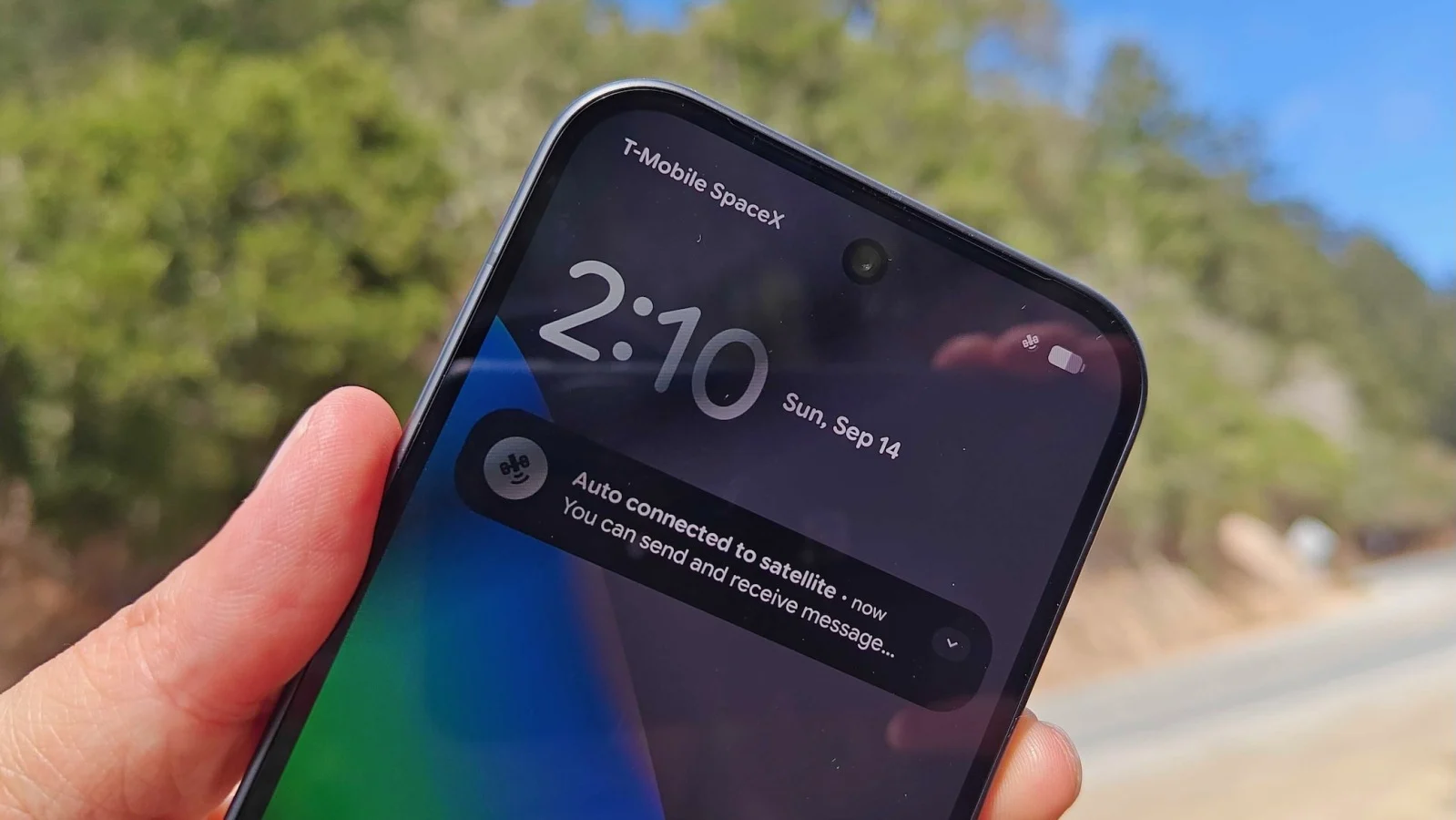
Jakarta — SpaceX has filed a trademark for “Starlink Mobile”, signaling Elon Musk’s ambition to transform Starlink from a satellite internet provider into a global cellular operator. This move follows the acquisition of $17 billion worth of radio spectrum from EchoStar, paving the way for service capacity comparable to 4G LTE.
For ASEAN, the implications are significant. With a population of over 650 million, the region still faces a digital divide, particularly in rural and archipelagic areas. Satellite‑based mobile service could provide solutions for dead zones that conventional cell towers cannot reach.
Challenges remain. Current Starlink Mobile speeds are limited, sufficient only for low‑quality video calls and basic social media use. Device and subscription costs may also pose barriers in developing economies. Regulatory frameworks will be critical, as each ASEAN country has distinct telecommunications policies, requiring regional coordination for cross‑border integration.

On the other hand, collaboration opportunities are wide open. Local operators could partner with Starlink to expand coverage, as seen with T‑Mobile in the US and KDDI in Japan. If ASEAN can establish a collective framework, Starlink Mobile could become a catalyst for digital integration, strengthening the regional digital economy and supporting the ASEAN Connectivity 2025 agenda.
In conclusion, SpaceX’s ambition through Starlink Mobile is more than business expansion—it represents a potential transformation of Southeast Asia’s telecommunications ecosystem. The key question now is whether ASEAN is ready to embrace the era of global satellite operators.