Jakarta — Indonesia once again affirms its position as a biodiversity hub with the discovery of the world’s largest jellyfish lake. This site is not only a unique natural phenomenon but also a strategic asset for ASEAN tourism.
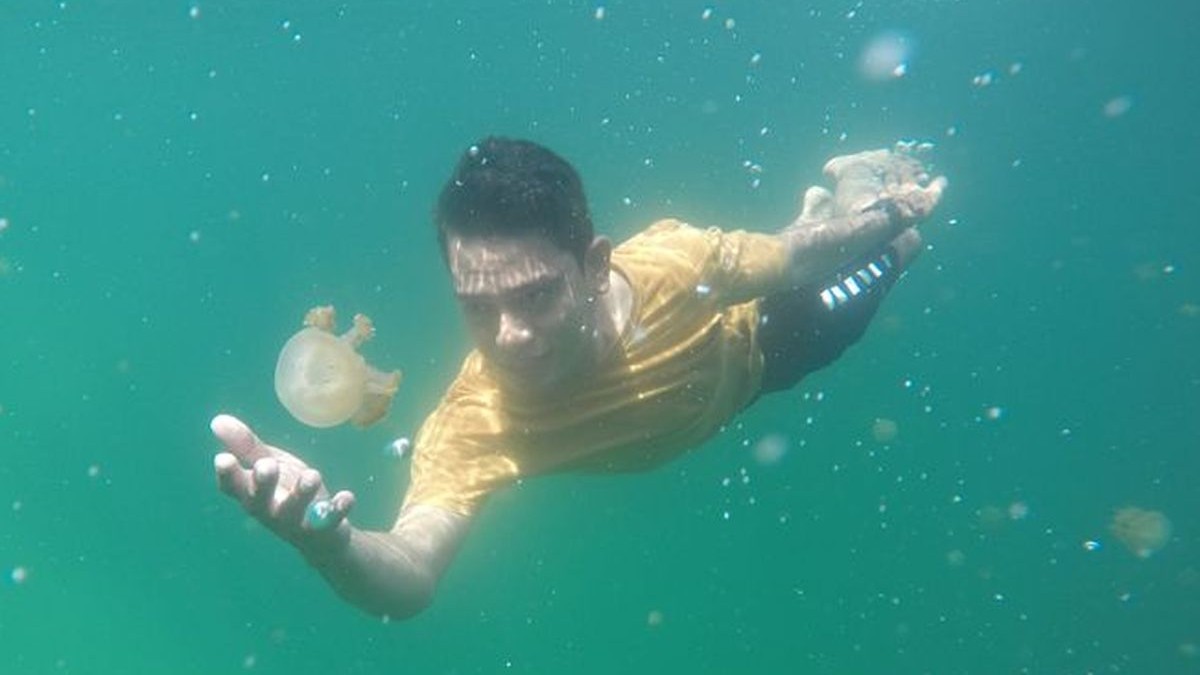
Located in Banggai, Central Sulawesi, the lake hosts millions of non‑stinging jellyfish. This extraordinary ecosystem attracts international tourists and strengthens Indonesia’s image as a leading ecotourism destination.
For ASEAN, the lake represents the potential of sustainable nature‑based tourism. With regional cooperation, destinations like this could be promoted as part of cross‑border travel packages, reinforcing ASEAN tourism integration.
Beyond tourism, the jellyfish lake also offers opportunities for scientific research. Its unique ecosystem contributes to marine biology and conservation studies, adding strategic value not only for Indonesia but also for the ASEAN scientific community.
Ultimately, the world’s largest jellyfish lake in Indonesia is more than just a tourist attraction. It is a regional asset that reflects ASEAN’s natural wealth and an opportunity to strengthen shared identity on the global stage.