

Momin Tomanussa Receives Anugerah Prestasi Indonesia 2026 for Educational Leadership in South Buru
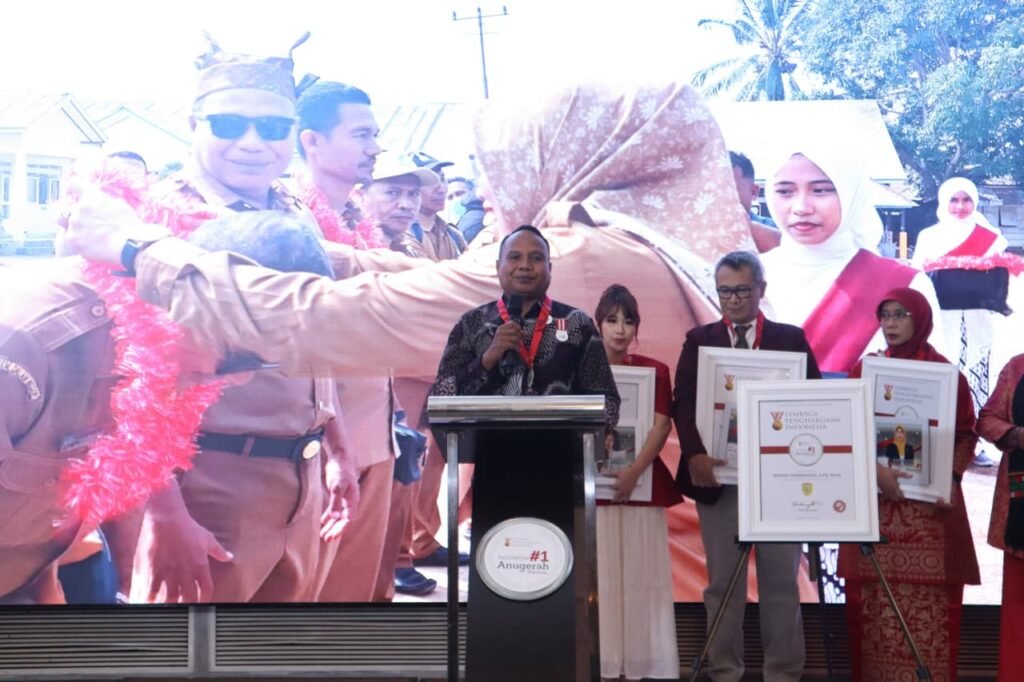
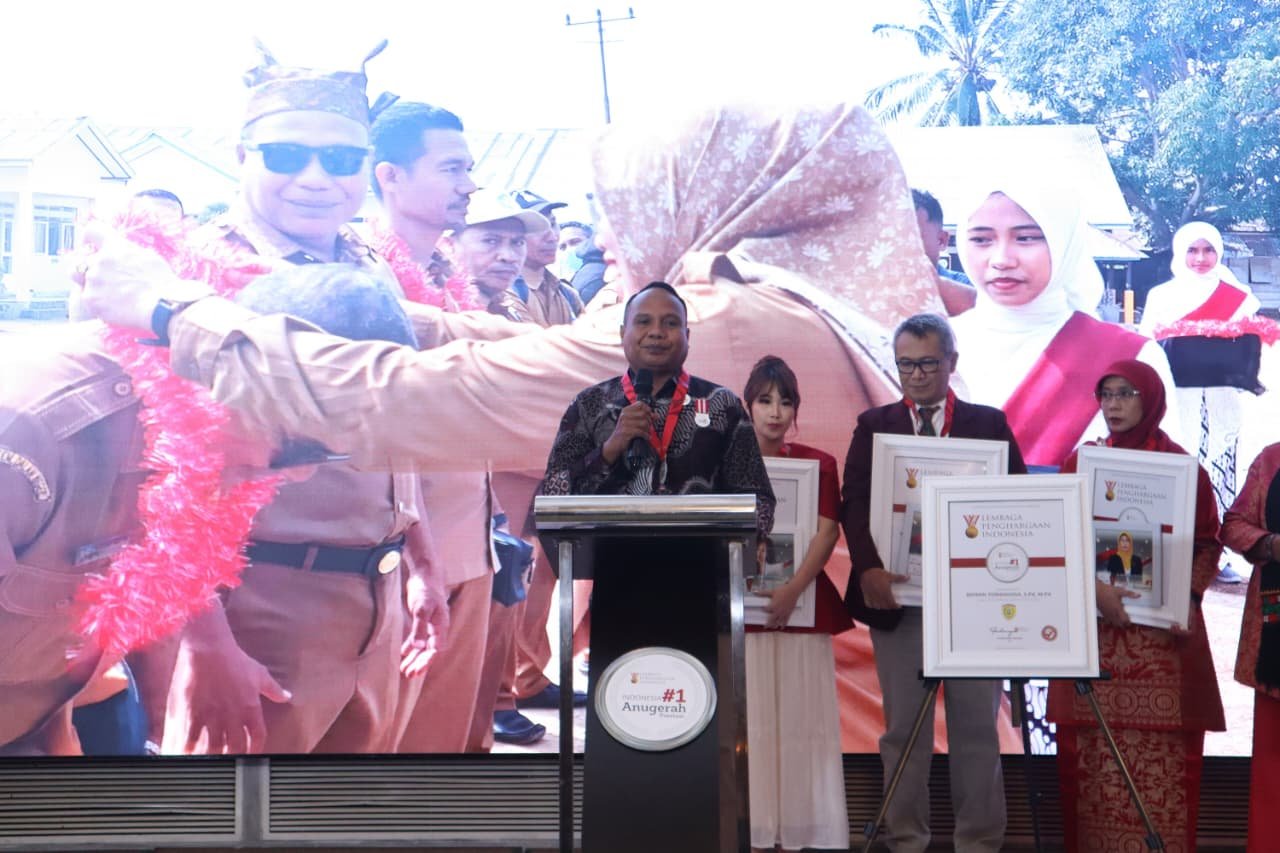
Momin Tomanussa, S.Pd., M.Pd., Head of the South Buru Regency Education Office, receives Anugerah Prestasi Indonesia 2026 in Jakarta, highlighting regional educational leadership and human capital development.
Recognizing Educational Leadership Beyond Indonesia’s Major Cities
JAKARTA, INDONESIA — Educational development across Southeast Asia increasingly depends on the ability of local governments to provide accessible, inclusive, and effective learning opportunities, particularly in geographically challenging regions.

In Indonesia, where communities are distributed across thousands of islands, regional education leaders play an important role in translating national educational priorities into practical services for schools, teachers, and students.
Against this backdrop, Momin Tomanussa, S.Pd., M.Pd., Head of the Education Office of South Buru Regency, Maluku Province, received recognition through Anugerah Prestasi Indonesia 2026, also known as the Indonesia Achievement Award 2026.
The recognition was presented as part of an award program organized by Lembaga Penghargaan Indonesia (LPI), under the leadership of Ferdiansyah Rahman, with the ceremony held on Saturday, October 24, 2026, at Mercure Simatupang Hotel in Jakarta.
The recognition highlights the importance of educational administration and public service leadership in regional development, particularly in communities where geography and infrastructure present continuing challenges.
For South Buru Regency, the occasion provides an opportunity to draw broader attention to the responsibilities of local education authorities in supporting equitable learning opportunities.
South Buru and the Challenge of Educational Accessibility
Located in Maluku Province in eastern Indonesia, South Buru Regency represents a regional environment where educational administration must consider geographical diversity, transportation access, and the distribution of public services.
These conditions create challenges that differ from those experienced in major metropolitan areas.
Schools located far from administrative centers may face difficulties involving transportation, educational resources, teacher support, and coordination with local government institutions.
For education authorities, responding to these circumstances requires policies that are sensitive to local needs.
A uniform administrative approach may not always address the different realities experienced by individual schools.
This makes regional planning, direct supervision, and communication with educational stakeholders particularly important.
As an education office leader, Momin Tomanussa operates within this environment, where public administration must balance regulatory responsibilities with the practical needs of educational institutions.
Strengthening School Supervision and Institutional Accountability
One aspect of Momin Tomanussa’s professional activities involves direct supervision of educational institutions.
In September 2026, local reporting documented supervisory activities conducted by Momin and officials from the South Buru education administration in Waesama and Ambalau districts.
The activities involved relevant education personnel and supervisory representatives who reviewed school conditions and the implementation of educational programs.
From a public management perspective, such supervision can serve several important functions.
It allows education authorities to identify operational challenges, review the implementation of government programs, and obtain information directly from schools.
Direct engagement may also help strengthen communication between policymakers and educational practitioners.
However, the effectiveness of school supervision depends not only on the number of visits conducted but also on whether identified problems lead to appropriate follow-up measures.
For regional education systems, the ability to connect field observations with planning and improvement programs remains an important measure of administrative effectiveness.
Protecting Children’s Access to Education
Educational leadership also involves responding to circumstances that may disrupt students’ learning opportunities.
In August 2026, Momin Tomanussa was reported to have expressed concern over an incident involving the obstruction of access to a school.
The situation raised questions about the potential impact on teaching and learning activities.
According to the reporting, Momin emphasized the importance of resolving disputes through appropriate procedures without compromising students’ access to education.
The issue reflects a broader principle recognized throughout education policy: children’s learning opportunities should remain protected when institutions or communities face administrative and social disagreements.
Disruptions to school access can affect attendance, classroom continuity, and the educational experience of students.
For local authorities, maintaining access to learning requires coordination, communication, and appropriate problem-solving mechanisms.
This responsibility is particularly significant in regions where alternative educational facilities may not be easily accessible.
The ASEAN Perspective: Education as a Foundation for Human Capital
Across the Association of Southeast Asian Nations, education remains central to long-term economic development, social inclusion, and workforce preparedness.
ASEAN member states operate within different educational systems and economic conditions, yet many share common priorities.
These include improving access to quality education, supporting teachers, reducing regional disparities, and preparing younger generations for technological and economic change.
The experience of geographically dispersed communities in Indonesia is relevant to wider regional discussions about inclusive development.
Island communities, remote settlements, and areas with limited infrastructure require educational policies that respond to local circumstances.
The challenges faced by South Buru are therefore not unique to one Indonesian regency.
They reflect broader issues of educational accessibility and administrative capacity that are relevant to many parts of Southeast Asia.
Local leadership can play an important role in addressing these challenges through effective coordination and evidence-based planning.
The Role of Education Leaders in Public Sector Transformation
Educational administration is becoming increasingly complex.
Local government officials must coordinate institutional management, regulatory compliance, teacher development, school supervision, and the distribution of educational resources.
At the same time, communities expect public services to become more transparent, responsive, and accountable.
For regional education leaders, this requires an approach that combines administrative discipline with practical engagement.
Professional educational backgrounds can provide a useful foundation for understanding learning systems.
Momin Tomanussa’s academic qualifications, reflected in his Bachelor of Education and Master of Education degrees, are relevant to his responsibilities in the sector.
However, academic credentials alone do not determine the success of public leadership.
Effective performance also depends on organizational management, collaboration, resource allocation, and the ability to respond to challenges affecting schools.
Digital Transformation and Opportunities for Regional Education
Digital technology offers opportunities to improve educational administration across geographically dispersed areas.
Integrated school information systems, digital reporting platforms, and improved communication channels can help authorities monitor educational needs and coordinate services.
For districts with transportation and connectivity challenges, technology may reduce some administrative barriers.
Nevertheless, digital transformation must be implemented with consideration for local infrastructure.
Limited internet connectivity, differences in digital literacy, and resource constraints can affect the effectiveness of technology-based programs.
Education authorities therefore need to balance technological innovation with practical support for schools.
For South Buru, the broader policy opportunity lies in using reliable information and appropriate technology to strengthen decision-making and improve service delivery.
These are potential areas for development rather than confirmed achievements of any particular program.
Understanding the Significance of the 2026 Recognition
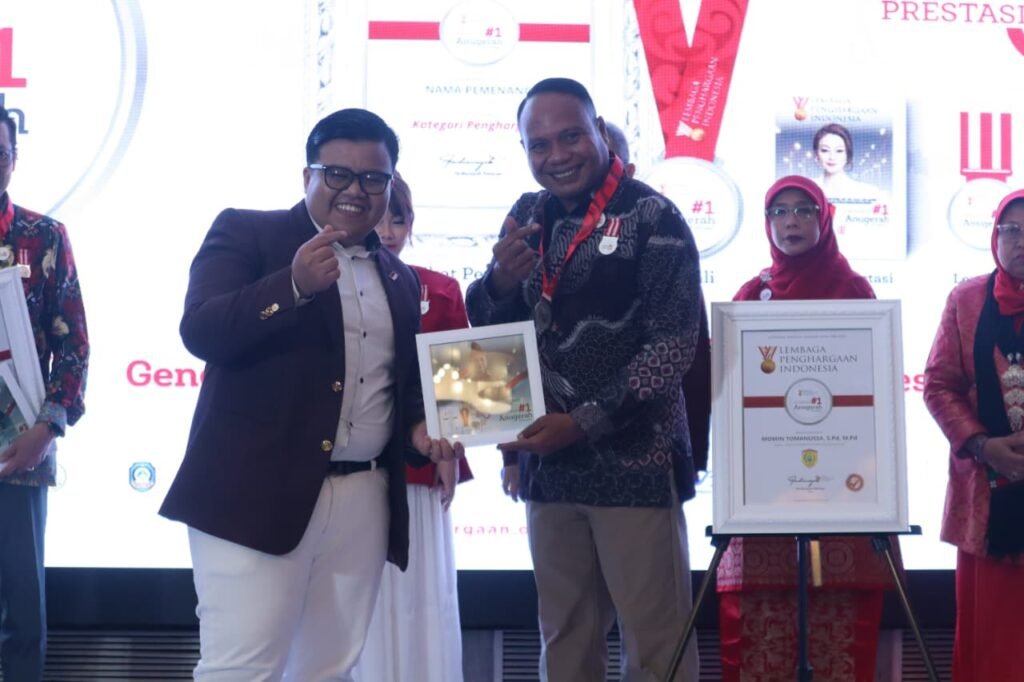
The Anugerah Prestasi Indonesia 2026 recognition provides an opportunity to acknowledge professional contributions within Indonesia’s public service sector.
Organized by Lembaga Penghargaan Indonesia, the award program recognizes individuals and institutions across different fields.
For Momin Tomanussa, the recognition draws attention to his role in regional educational administration.
It also offers a platform for discussing the importance of local leadership in addressing educational challenges outside major urban centers.
However, recognition by an awarding institution should be distinguished from an official government performance audit or an independently verified assessment of educational outcomes.
Comprehensive evaluation of education sector performance requires measurable information about school participation, learning quality, educational resources, and service accessibility.
Awards can contribute to professional visibility, while sustainable educational progress depends on continuous institutional improvement.
Building Inclusive Educational Systems Through Regional Leadership
The future of education in Southeast Asia will be shaped not only by national policies but also by the capacity of local institutions to implement them effectively.
Regional education offices have direct responsibilities for understanding school conditions, supporting educators, and responding to community needs.
For South Buru Regency, these responsibilities remain closely connected to the geographical and social realities of eastern Indonesia.
The supervisory activities and attention to school access associated with Momin Tomanussa’s public role illustrate areas where local leadership can contribute to educational administration.
The recognition received in Jakarta creates a moment to reflect on these responsibilities and the importance of sustained public service.
From South Buru to a Wider Regional Conversation
Momin Tomanussa’s recognition through Anugerah Prestasi Indonesia 2026 brings attention to educational leadership in a region that may receive less national visibility than Indonesia’s major metropolitan centers.
His professional responsibilities highlight the importance of ensuring that educational policies reach schools and communities regardless of location.
For Indonesia and the wider ASEAN region, the central challenge remains clear: economic development and technological progress must be accompanied by equitable access to learning.
Strong educational institutions require collaboration among government authorities, teachers, school leaders, families, and communities.
Ultimately, the value of educational leadership is measured not simply by institutional recognition, but by its contribution to protecting learning opportunities, strengthening public services, and preparing younger generations for the future.
For Momin Tomanussa and the South Buru education administration, Anugerah Prestasi Indonesia 2026 represents a moment of professional recognition and an opportunity to reinforce the continuing importance of education in regional development.