
Phong Nha-Ke Bang wins two World Travel Awards 2026, strengthening Vietnam’s nature tourism profile and highlighting ASEAN’s growing focus on sustainable destinations.
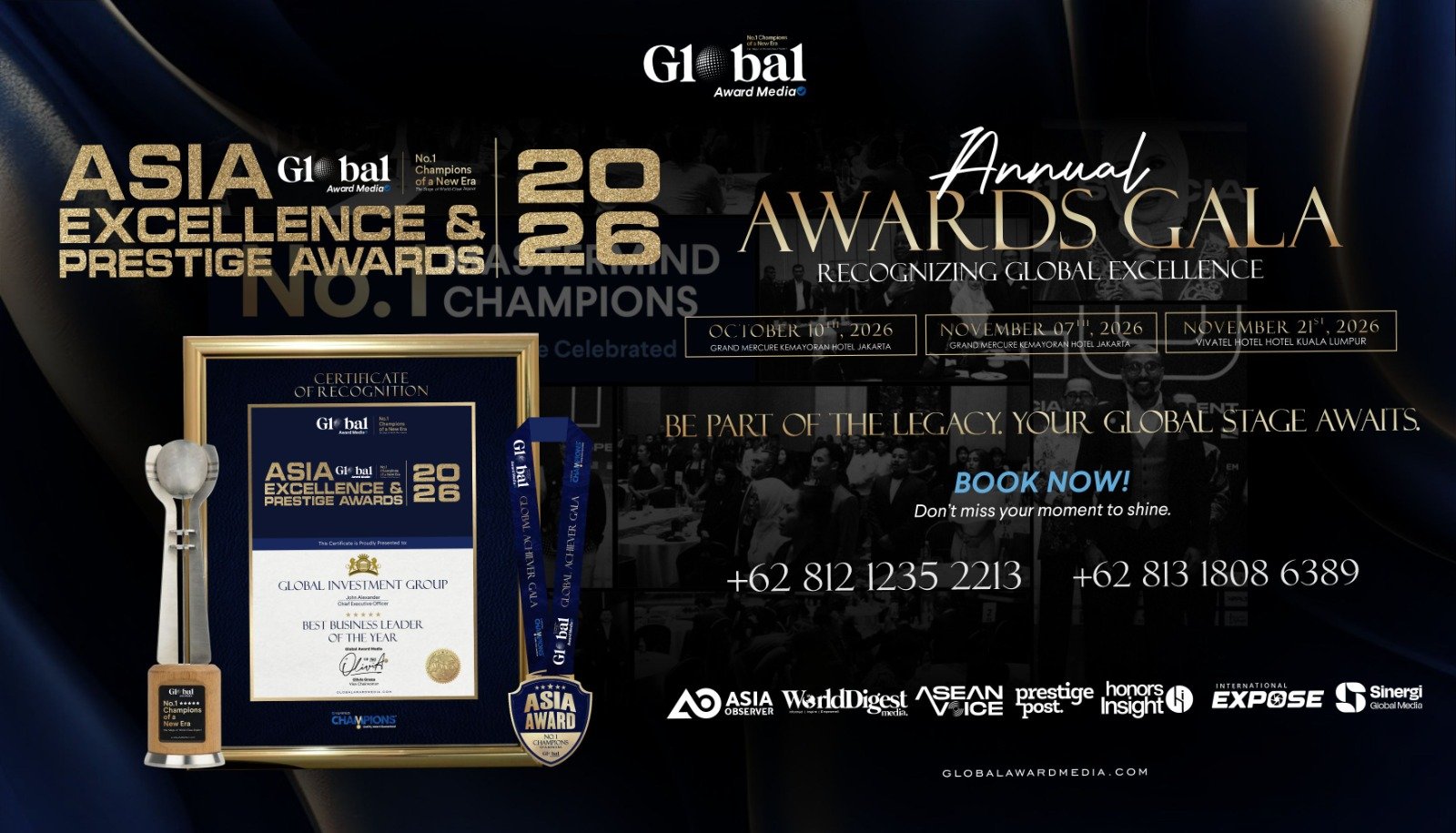
The latest international recognition for Phong Nha-Ke Bang National Park has put one of Vietnam’s most distinctive natural destinations back in the regional tourism spotlight. The national park was awarded two titles at the World Travel Awards 2026 for Asia, Oceania and the Indian Ocean, held in the Maldives on September 27.
Phong Nha-Ke Bang was named Asia’s Leading National Park 2026 and Vietnam’s Leading Nature Destination 2026. According to the park’s management board, this is the second time the destination has received both titles simultaneously, reinforcing its visibility in the competitive Asian tourism market.
For Southeast Asia, the recognition is relevant beyond Vietnam’s national tourism sector. Nature-based tourism has become an increasingly important part of the region’s tourism offering, with countries seeking to combine international visitor growth with the protection of forests, biodiversity, cultural landscapes and other natural assets.
Phong Nha-Ke Bang provides a distinctive example of that approach. The destination is known for its limestone karst landscapes, extensive cave systems, underground rivers and tropical forests. Its geological and ecological characteristics have also made it part of a wider transboundary heritage landscape shared with neighbouring Laos.
In 2025, the UNESCO World Heritage property was extended to include Hin Nam No National Park in Laos, creating a transboundary property along the Vietnam-Laos border. UNESCO describes the combined landscape as one of the world’s exceptional and well-preserved limestone karst ecosystems, with more than 220 kilometres of documented caves and underground waterways.
This cross-border dimension gives Phong Nha-Ke Bang a particular relevance for ASEAN cooperation. Tourism in Southeast Asia increasingly operates through interconnected routes rather than isolated destinations. Shared natural landscapes can therefore create opportunities for cooperation in conservation, destination marketing, visitor management and community-based tourism.
The World Travel Awards recognition also comes at a time when Vietnam is receiving broader international attention for its tourism sector. At the same 2026 regional ceremony, Vietnam was named Asia’s Leading Destination and Asia’s Leading Heritage Destination, while a number of Vietnamese destinations and tourism businesses also received regional awards.
For Phong Nha-Ke Bang, however, international visibility brings a responsibility that extends beyond marketing. Dinh Huy Tri, Deputy Director of the Phong Nha-Ke Bang National Park Management Board, said the awards were both an honour and a greater responsibility to strengthen conservation and protect the site’s heritage values.
That balance is particularly significant for ASEAN destinations. Increased tourism can support local economies, create employment and expand opportunities for tourism-related businesses, but growing visitor pressure can also affect fragile ecosystems if development is not carefully managed.
UNESCO’s assessment of the transboundary Phong Nha-Ke Bang and Hin Nam No property similarly stresses the need to monitor and manage tourism within ecological carrying capacity. The site faces potential pressures associated with infrastructure development, land-use change, resource exploitation and increasing tourism activity.
The management approach therefore has implications for regional tourism policy. Rather than treating conservation and tourism as separate objectives, destinations such as Phong Nha-Ke Bang illustrate the potential value of integrating heritage protection, visitor management, local participation and international promotion.
The park’s delegation also used the World Travel Awards event as an opportunity for international destination promotion. It presented tourism products and heritage values to international media, tourism businesses and organisations, while holding discussions with World Travel Awards founder Graham Cooke, Visit Maldives Corporation and representatives of the Maldives-Vietnam Economic Association, among others.
Such engagement reflects the increasingly interconnected nature of the regional tourism economy. Partnerships between destinations, tourism organisations, airlines, travel companies and local businesses can help convert international recognition into stronger market access and more diversified visitor flows.
For ASEAN, the broader lesson is that the region’s natural assets can become an important foundation for high-value tourism when supported by responsible management and cross-border cooperation. Phong Nha-Ke Bang’s latest awards add another international reference point to that development.
Its future success, however, will depend not only on how many visitors the destination attracts, but also on how effectively its natural and cultural values are protected. As tourism competition intensifies across Asia, the ability to preserve the qualities that make a destination unique may become just as important as its ability to promote them.