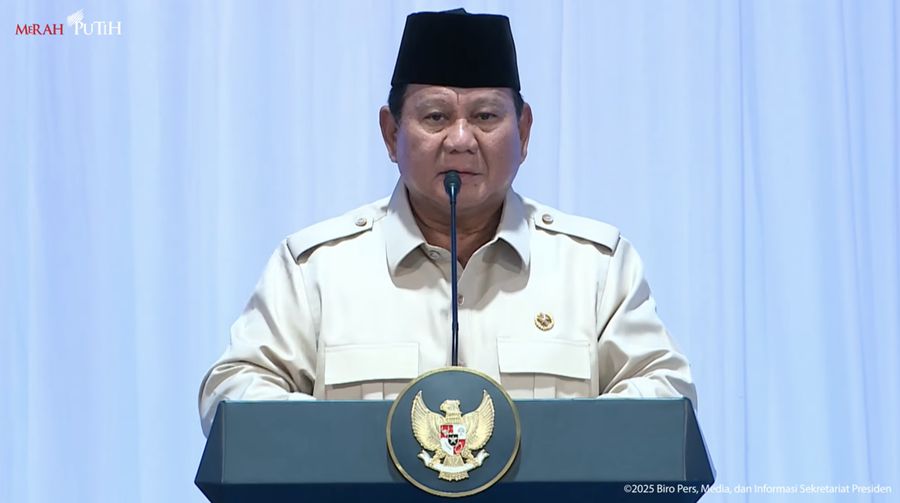
Jakarta — President Prabowo Subianto has officially set the 2026 Hajj pilgrimage cost, a move that carries significant implications not only for Indonesia but also for ASEAN’s broader Muslim community. The announcement reflects the government’s effort to balance affordability with the rising expenses of international travel and accommodation in Saudi Arabia.
Indonesia, as the world’s largest Muslim‑majority nation, plays a central role in shaping regional discourse on Hajj management. The decision on cost directly affects millions of Indonesian pilgrims, while also serving as a benchmark for neighboring ASEAN countries with substantial Muslim populations such as Malaysia and Brunei.
Observers note that the policy highlights two critical dimensions:
Economic Sustainability: Ensuring that the Hajj remains financially accessible while covering operational costs.
Regional Influence: Indonesia’s stance may influence ASEAN cooperation on religious affairs, particularly in negotiating quotas and services with Saudi authorities.
For ASEAN Voice, Prabowo’s decision underscores the intersection of religion, economics, and diplomacy. The Hajj is not only a spiritual journey but also a matter of regional policy, where affordability and accessibility reflect the government’s commitment to serving its citizens and strengthening ASEAN’s collective voice in global religious affairs.